






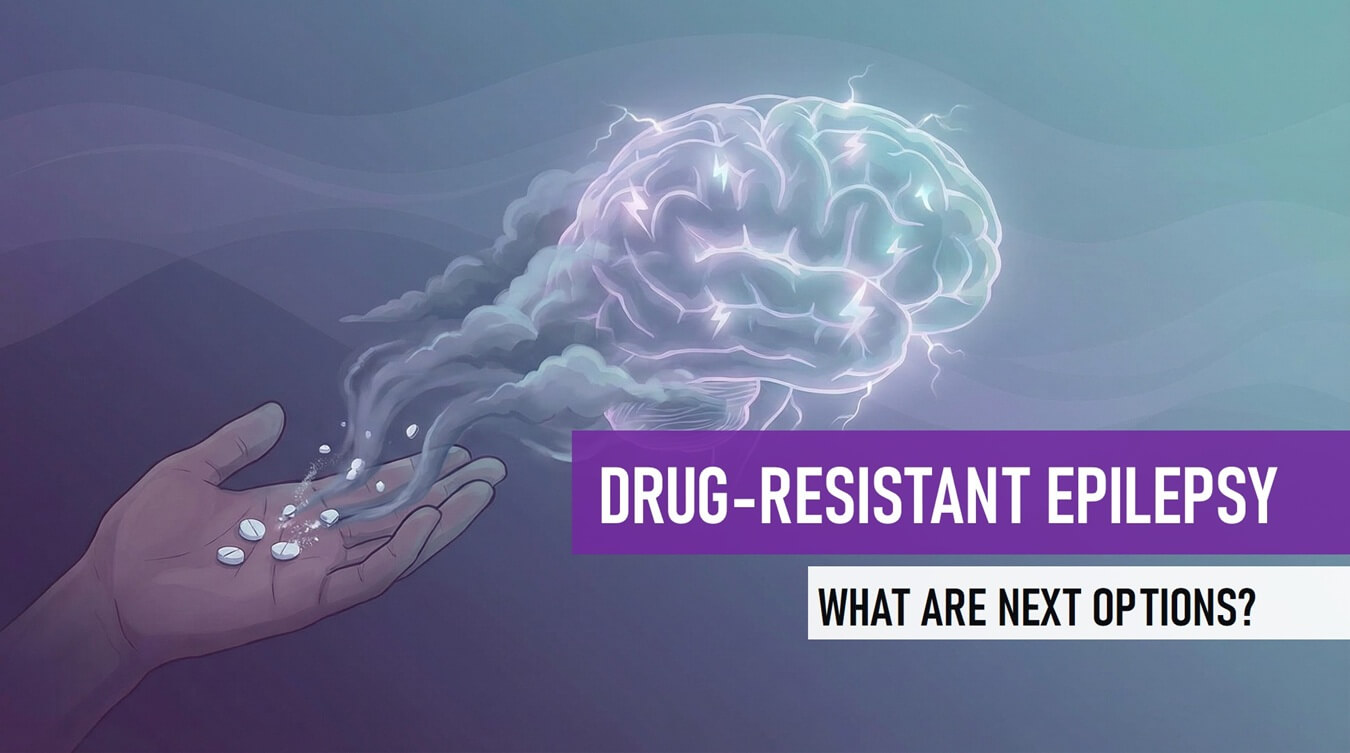
For most people with epilepsy, seizures can be controlled with the right medicines. But for some patients, even after trying multiple anti-seizure drugs, the attacks continue. This condition is known as Drug-Resistant Epilepsy (DRE). Understanding this type of epilepsy is important because the treatment approach here is very different from routine medication management.
What Does “Drug-Resistant” Mean?
Epilepsy is considered drug-resistant when:
- Two or more appropriate anti-epileptic medications, tried in proper doses and for an adequate duration,
- Do not control seizures successfully.
This does not mean the medicines were wrong. Instead, it means the brain’s electrical activity requires advanced treatment options beyond medication alone. Such cases need evaluation by an epilepsy specialist in Ahmedabad to identify the safest and most effective next step.
Why Does Drug-Resistance Happen?
Drug-resistant epilepsy has several possible causes:
- Structural brain abnormalities (tumors, malformations, stroke scars)
- Genetic conditions affecting electrical activity in the brain
- Previous brain infections or injury
- Unknown reasons (idiopathic epilepsy)
Because the cause varies, treatments must be personalized. Advanced tests such as MRI, Video-EEG Monitoring, or Brain Mapping may be needed to understand the origin of seizures more clearly.
SUGGESTED READ: WHAT IS AN EEG AND WHY IS IT DONE?
When Medications Fail: What Are the Next Options?
Patients with drug-resistant epilepsy can benefit from treatment options beyond tablets:
✔️ Epilepsy Surgery
If seizures come from a specific area of the brain, removing or modifying that area can dramatically reduce or eliminate seizures.
✔️ Vagus Nerve Stimulation (VNS)
A device implanted in the body sends electrical signals to reduce seizure frequency.
✔️ Ketogenic Diet (Special Medical Diet)
This high-fat, low-carbohydrate diet can help children and adults with certain seizure types.
✔️ Tailored Medical Therapy
Sometimes special combinations or newer medicines are needed, under expert supervision.
These treatments require evaluation by a trained neurologist in Ahmedabad who handles advanced epilepsy care.
When Should You Seek Advanced Epilepsy Care?
If seizures:
- Continue despite taking medicines regularly
- Affect memory, learning, or daily activities
- Occur after head injury, infection, or brain stroke
- Are severe, unpredictable, or increasing
…it’s time to consult a specialist. Patients often keep trying medicines for years without knowing that other successful options exist.
Where to Get Expert Evaluation?
At Setu Neurology Clinic in Ahmedabad, patients with drug-resistant epilepsy receive comprehensive care, including detailed testing, advanced treatment planning and guidance when needed.
If you’re looking for an epilepsy doctor in Ahmedabad, contact us.
Source/s: AI Banner Image by Gemini Nano Banana Pro